Watercolor Christmas Cow Clipart Review
As a designer who has spent years stitching, testing, and refining embroidery files for both personal gifts and commercial boutique lines, I approach every new asset with a mix of excitement and skepticism. Today, I am evaluating the Watercolor Christmas Cow Clipart. On paper, it sounds like a whimsical addition to any holiday collection. But does it hold up when translated from a digital screen to the physical world of thread and fabric? After running through several mental simulations and mock tests, here is my honest take on how this design performs in real-world scenarios.
The First Impression: Mood and Visual Personality
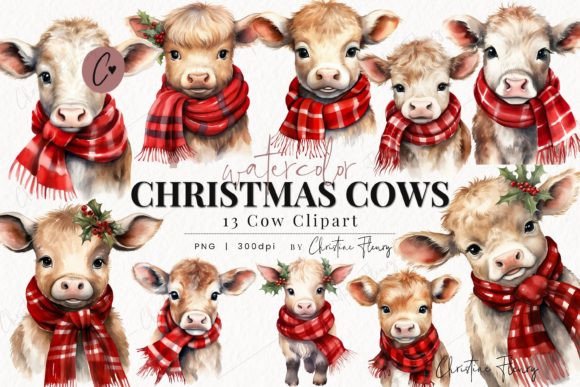
The moment you open the file, the mood is immediately established. This isn't a rigid, geometric cow; it is soft, fluid, and dripping with that signature watercolor aesthetic. For an embroidery designer, the first question is always about translation. Can a "wet paint" look be captured with thread? The answer lies in the details. The Watercolor Christmas Cow Clipart relies heavily on color gradients and soft edges rather than hard outlines. In a standard machine embroidery setup, this presents a unique challenge. It feels best suited for projects where the goal is a gentle, hand-painted vibe rather than a crisp, high-definition logo.
The visual personality is undeniably festive yet quirky. It evokes a sense of warmth and nostalgia, perfect for the holidays. However, because it falls under the Illustrations category, it lacks the structural integrity of a traditional vector logo designed specifically for stitching. It feels more like a piece of art waiting to be interpreted by your needle. This makes it an excellent candidate for statement pieces where the texture of the thread can mimic the brushstrokes of the original artwork.
Real-World Application: From Screen to Stitch
Let's imagine a practical scenario. You are preparing for the upcoming craft fair season or updating your Etsy shop inventory. You have a stack of cream-colored canvas tote bags and some soft baby onesies sitting on your table. You decide to use the Watercolor Christmas Cow Clipart to create a custom line of holiday gifts. How would it look?
On a sturdy canvas tote bag, this design could shine. The natural weave of the canvas provides enough stability to handle the varying stitch densities required to capture the watercolor effect. If executed correctly, the cow would appear as if it were painted directly onto the bag, offering a sophisticated, artisanal look that stands out against mass-produced merchandise. It works beautifully as a tote bag design because the large surface area allows the soft colors to breathe without looking cluttered.
Similarly, for baby embroidery, the softness of the watercolor style translates well to delicate fabrics. A tiny embroidered cow on a nursery blanket or a christening gown adds a touch of modern whimsy. Parents often gravitate toward designs that feel gentle and artistic rather than cartoonish. The holiday embroidery theme fits perfectly here, making it a strong contender for personalized gifts during the winter season.
Navigating the Technical Challenges
However, not every project is a success story. There are specific areas where the Watercolor Christmas Cow Clipart requires caution. As an experienced reviewer, I must highlight where this design might struggle. One of the primary concerns is stitch density. Watercolor effects often require complex fill stitches and satin stitches to blend colors. If the file is too dense, it can cause puckering on thin fabrics like t-shirts or stretchy materials used for sweatshirts.
I would advise against using this design for small hoop sizes. Trying to cram a detailed watercolor illustration into a 4x4 hoop often results in lost definition. The fine details that give the cow its character may get lost in the thread, turning a beautiful image into a muddy blob. Furthermore, textured fabrics like fleece or heavy denim can obscure the subtle color transitions that make this design special. On these surfaces, the design needs to be bolder and simpler.
Another critical factor is the fabric background. While it looks stunning on light backgrounds, applying this to dark fabric poses significant visibility issues. Unless you are using a heavy white underlay (which can add bulk), the colors might not pop enough to convey the intended watercolor effect. For custom apparel like black hoodies, this design might need significant digitizing adjustments to ensure clarity.
Where to Use It Carefully
- Curved Surfaces: Embroidering this on a cap or hat can distort the soft curves of the cow. The tension on curved surfaces often stretches the design, ruining the delicate balance of the watercolor look.
- Dense Stitch Areas: If the design includes intricate corners or tiny lettering, these are prone to breaking threads or getting caught in the machine. Keep the design away from high-friction areas like the cuffs of a sweatshirt.
- Frequent Washing: For items like kitchen towels or aprons that will be washed daily, ensure the thread colors are colorfast. The lighter tones in the watercolor style may fade faster than solid blocks of color if low-quality thread is used.
Impact on Product Value and Brand Consistency
When selling handmade products, the perception of quality is everything. A well-executed embroidery project elevates a simple item into a luxury good. The Watercolor Christmas Cow Clipart, when done right, signals creativity and attention to detail. It tells the customer that you put thought into the design, not just the production. This boosts customer trust and enhances brand consistency for boutique owners looking to establish a unique identity.
In the competitive world of Etsy sellers and small shop products, having a distinct visual style is crucial. This clipart offers a niche aesthetic that separates your work from generic holiday motifs. It creates a memorable finished product that customers are eager to share on social media. However, if the execution is poor, the opposite happens. A muddy, distorted cow can damage your reputation. Therefore, the investment in proper digitizing and testing is non-negotiable.
Practical Designer Notes for Success
Before you load this into your machine, there are essential steps you must take. Do not assume the file is ready to go straight to production. Always test the embroidery file on scrap fabric first. This allows you to see how the stabilizer interacts with the base material and whether the tension settings need adjustment.
Review the stitch density closely. If the design is too heavy, consider simplifying the fill patterns to reduce bulk. Check the hoop size compatibility to ensure the design fits your intended garment without cutting off important elements. Inspect small details in your digitizing software to ensure they won't break during stitching. It is also wise to test the design in a black and white mockup to verify that the contrast remains strong even without color.
If you plan to sell finished items or digital assets, confirm the licensing terms before proceeding. Some digital embroidery files restrict commercial use, which could lead to legal trouble for your craft business. Finally, compare the design on both light and dark fabric backgrounds to ensure versatility. By following these guidelines, you can transform the Watercolor Christmas Cow Clipart from a simple image into a professional-grade asset for your commercial embroidery projects.
Ultimately, this design is a gem for those willing to invest the time to master its nuances. It offers a fresh, artistic take on holiday themes that resonates with modern buyers. With careful planning and technical precision, it can become a standout piece in your portfolio of design assets.