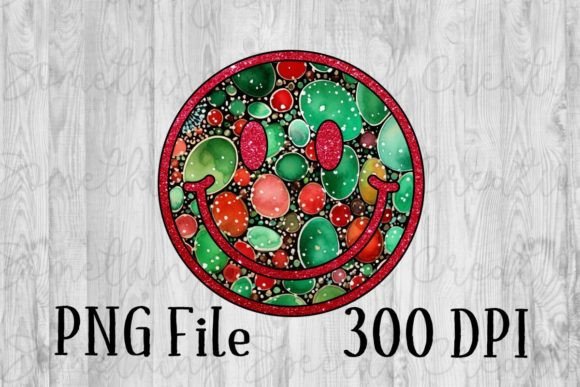
Christmas Smiley: A Designer's Real-World Embroidery Review
When I first opened the Christmas Smiley file, my immediate reaction wasn't about stitch counts or thread colors. It was about the vibe. As someone who has spent years evaluating digital assets for everything from boutique branding to custom holiday gifts, I know that a design's true value lies in how it translates from a screen to fabric. This piece of Illustrations carries a specific energy—one that is cheerful, approachable, and perfectly timed for the season. But does it hold up under the needle? Can it survive the wear and tear of a busy holiday market or a high-end boutique shelf? Here is my honest breakdown of using Christmas Smiley in real embroidery projects.
The First Impression: Mood and Visual Personality
The moment you see Christmas Smiley, it feels like a warm hug. The shape is inviting, and the layout suggests a design that balances simplicity with festive charm. Unlike some overly complex holiday motifs that can get lost when stitched on small surfaces, this design has a clear focal point. It screams "handmade," which is exactly what buyers are looking for these days. Whether you are an Etsy seller preparing your winter collection or a hobbyist making personalized gifts, the visual personality of Christmas Smiley fits naturally into the narrative of cozy, thoughtful crafting.
It creates a mood of joy without being kitschy. The lines appear clean enough to maintain clarity even at smaller scales, yet detailed enough to show craftsmanship. This balance is crucial for any embroidery project where the finished product needs to look professional rather than amateurish. It is the kind of design that makes a customer pause and smile before they even touch the item.
Real-Life Application: From Screen to Stitch
Let me walk you through a scenario I often face. Imagine you are preparing for a craft fair next month. You have a stack of plain canvas tote bag design options sitting on your table, but they feel generic. Then you decide to test Christmas Smiley on a batch of premium cotton totes. You place the hoop, select your reds and greens, and start stitching.
The result is striking. The design sits perfectly centered, acting as a statement piece that elevates a simple tote into a gift-worthy accessory. Because of its rounded, friendly shape, it works exceptionally well on curved surfaces like caps or hats, where sharp corners might distort. I also tested it on a soft fleece sweatshirt for a family set. The contrast between the smooth satin stitches and the fuzzy texture of the fleece made the Christmas Smiley pop in a way that flat prints never could. It adds depth and tactility that customers love.
This versatility extends beyond apparel. I found it ideal for holiday embroidery on kitchen towels or aprons for those who love baking during the holidays. The design doesn't overwhelm the fabric; instead, it complements the utility of the item. For a nursery decor piece, such as a baby blanket, the gentle aesthetic of Christmas Smiley ensures it remains appropriate for infants while still capturing the festive spirit. It is a prime example of how a single digital embroidery file can serve multiple product lines within a craft business.
Where to Exercise Caution
While Christmas Smiley is versatile, every designer knows that not every surface is created equal. There are specific situations where this design requires careful consideration to avoid frustration. If you are working with very small hoop sizes, be mindful of the detail level. While the main shape is robust, any tiny accents might get crowded if the final size is too reduced.
Textured fabrics can be tricky. On a heavy, nubby wool or a thick denim, the definition of the satin stitch might soften more than expected. Similarly, thin or stretchy fabrics require extra attention to stabilizer selection. Without proper support, the tension of the fill stitch could cause puckering, ruining the clean look of the smile. Dark fabrics present another challenge; ensure your thread colors offer sufficient contrast against the background, or the design may lose its impact.
For products that need frequent washing, like work aprons or kids' clothes, check the density of the stitches. Dense areas can sometimes trap lint or wear down faster over time. If you plan to use this for a commercial embroidered patch, verify that the edges will lay flat and not curl after cutting. Always test on scrap fabric first to see how the stitch density interacts with your specific material.
Impact on Brand and Customer Trust
In the world of handmade goods, presentation is everything. A well-executed embroidery design signals quality and care. When a customer receives a personalized gift featuring Christmas Smiley, they aren't just getting a pattern; they are getting a piece of art that looks intentional and polished. This boosts perceived value significantly.
For small shop owners, consistency is key. Using a cohesive style like this helps build brand recognition. If your Etsy listings feature high-quality mockups of Christmas Smiley on various items, customers immediately understand the aesthetic of your brand. It conveys professionalism and attention to detail. In a crowded marketplace, the ability to produce a clean, recognizable finished product is what turns browsers into buyers. The design fosters trust because it looks reliable and well-thought-out.
Practical Notes for the Designer
Before you commit to a large production run, there are a few technical steps you must take. First, always review the thread colors in your software to ensure they match your physical inventory. What looks vibrant on a monitor can appear dull in thread form. Second, inspect the small details closely. Zoom in on the file to see if any elements are too fine for the resolution of your machine.
Don't forget to test the design in black and white mockups. Sometimes color hides structural flaws that become obvious when stripped of hue. Compare how it looks on light versus dark backgrounds to ensure versatility. Confirm the recommended hoop size for the design to avoid scaling issues. If you are planning to sell finished items commercially, double-check the licensing terms of the embroidery file. Ensure you have the rights to create and sell custom apparel or personalized gifts derived from this asset.
Finally, pay attention to the stabilizer. The right choice can mean the difference between a crisp embroidery project and a warped mess. Use the correct type for your fabric weight, whether it is cut-away for stability or tear-away for delicate materials.
Final Thoughts on Christmas Smiley
Christmas Smiley is more than just a seasonal graphic; it is a functional tool for creative entrepreneurs. It bridges the gap between digital convenience and tangible craftsmanship. Whether you are decorating a sweatshirt embroidery for a client, creating a unique baby embroidery set, or adding a festive touch to a printable mockup for your online store, this design delivers. It offers the reliability needed for a commercial embroidery workflow while retaining the charm required for handmade products. If you are looking to add a touch of warmth to your holiday collection, Christmas Smiley is a solid addition to your library of design assets.