Christmas Home Watercolor Clipart for Seasonal Illustrations
I recently received a brief from a boutique candle brand looking to launch a limited-edition holiday collection. The client wanted something warm, inviting, and distinctly handmade, avoiding the sterile look of generic vector graphics. As I began searching for the right visual assets to support their brand identity, Christmas Home Watercolor Clipart immediately caught my eye. In my line of work, where we juggle branding, packaging design, and social media graphics, finding an asset that balances artistic charm with commercial viability is crucial. This review breaks down how this specific design bundle fits into real-world projects and what designers need to know before incorporating it into a client deliverable.
The First Impression: Mood and Style Analysis
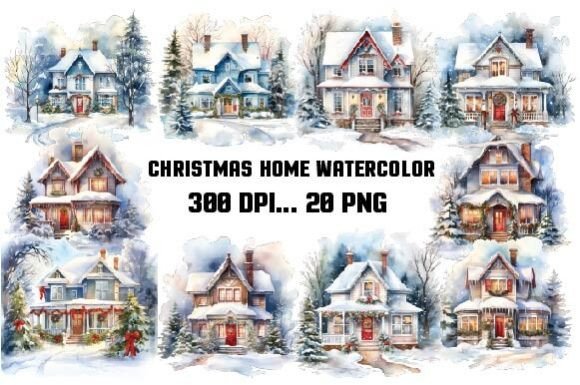
When you first open a folder of high-quality Illustrations, the immediate feeling is often about texture and warmth. Christmas Home Watercolor Clipart delivers exactly that. Unlike rigid clipart that looks like it was stamped out in 1995, these pieces possess the organic bleed of watercolors, soft edges, and a hand-painted aesthetic. They evoke a cozy, nostalgic atmosphere perfect for a small business or a handmade brand trying to connect emotionally with their audience.
The style is versatile enough to bridge the gap between modern minimalism and traditional festive decor. It feels authentic rather than mass-produced. For a designer working on a seasonal campaign, this mood is invaluable. It suggests comfort, family gatherings, and the quiet joy of the holidays. However, not every project needs this level of whimsy. If you are designing for a corporate financial report or a sleek tech product launch, this asset might feel too casual. But for lifestyle brands, Etsy shops, and local events, it hits the sweet spot of professional yet approachable.
Real-World Application: From Packaging to Social Media
In a practical design scenario, Christmas Home Watercolor Clipart shines when used as a primary decorative element. Imagine applying these illustrations to product labels for artisanal soaps or gift boxes for a local bakery. The soft colors blend beautifully with kraft paper textures or matte finishes, creating a premium unboxing experience. When integrated into packaging design, these assets help tell a story without overwhelming the necessary legal text or ingredient lists.
Beyond physical products, the utility extends deeply into digital spaces. For marketers creating marketing visuals or bloggers writing year-end roundups, these images serve as excellent hero graphics. They work exceptionally well on Pinterest pins and Instagram posts where visual appeal drives engagement. The watercolor style adds a layer of sophistication that makes a Canva template or a custom web banner look curated and expensive. Even for Cricut projects or sublimation design on mugs and tote bags, the clean lines and distinct color palettes ensure the final print remains crisp and vibrant.
Strategic Placement: Where the Asset Thrives
To get the most out of any graphic design asset, placement is key. Christmas Home Watercolor Clipart performs best in large layout areas where its details can breathe. Use it as a background element for a holiday sale flyer, framing the main headline without competing with it. It is also ideal for product mockups, adding a touch of seasonal flair to a digital rendering of a new item.
For brand identity projects, these illustrations can form the backbone of a themed collection. A florist could use them to create a cohesive set of wedding invitations, while a stationery shop might bundle them into a printable wall art collection. In editorial design, such as a magazine feature on holiday decorating, these assets break up text and add visual interest. They are particularly effective as decorative accents that guide the eye through a composition, reinforcing the visual hierarchy by drawing attention to key messages like "Sale" or "New Arrival."
Caution Areas: When to Hold Back
Despite their charm, these assets require careful consideration. They should be used cautiously in crowded layouts where they might clash with other busy elements. If your design already features complex patterns or heavy typography, adding watercolor illustrations can result in visual noise that confuses the viewer. Similarly, for minimalist branding that relies on stark contrasts and simple geometry, the soft, blended edges of watercolor might undermine the intended sleekness.
Readability is another critical factor. If you place light-colored watercolor elements over a similarly light background, the image will disappear, hurting the overall impact. In logo design, ensure the illustration is simplified enough to remain recognizable at very small sizes, such as on a favicon or a mobile app icon. While these are fantastic for commercial design, they may lack the sharp precision required for highly technical diagrams or data-heavy infographics. Always prioritize clarity; if the illustration distracts from the core message, it is better to use it sparingly or not at all.
Designer's Checklist: Technical & Commercial Due Diligence
Before committing to using Christmas Home Watercolor Clipart in a paid project, there are several technical checks every professional must perform. First, test the asset in black and white. Does the value structure hold up? If the design relies solely on color contrast, it may fail when printed on single-color ink or viewed in grayscale. Check the contrast on both light and dark backgrounds to ensure visibility.
File format is equally important. Verify if the package includes high-resolution PNG files with transparent backgrounds for easy layering, or if SVG vectors are available for infinite scalability. If you are planning to use these in a print-on-demand business, inspect the resolution to ensure it meets standard 300 DPI requirements for printing. Review the transparency of the PNGs to avoid unwanted white boxes around your designs.
Typography pairing is another area to scrutinize. These illustrations often pair best with script fonts or handwritten styles that mimic the organic nature of the art. However, they can also complement serif fonts for a classic look. Avoid pairing them with overly geometric sans-serif fonts unless you are aiming for a specific eclectic contrast. Finally, confirm the commercial license. Ensure the terms allow for end-product sales, especially for Etsy products or digital sellers who plan to resell items featuring these graphics. Understanding the licensing prevents legal headaches and ensures ethical use of creative marketplace resources.
Final Verdict: A Versatile Tool for Creative Professionals
Christmas Home Watercolor Clipart is more than just a collection of pretty pictures; it is a strategic tool for enhancing brand storytelling. Whether you are crafting a design bundle for a holiday workshop, designing a sticker design for a startup, or creating social media graphics for a non-profit, these assets offer a level of polish that elevates the entire project. They bring a human touch to digital and print media, fostering trust and emotional connection with your audience.
For designers, marketers, and small business owners, the decision to use this asset comes down to context. When used thoughtfully, respecting the balance between art and function, Christmas Home Watercolor Clipart transforms ordinary designs into memorable experiences. It proves that even in a digital-first world, the warmth of a hand-painted touch remains a powerful force in creative design.