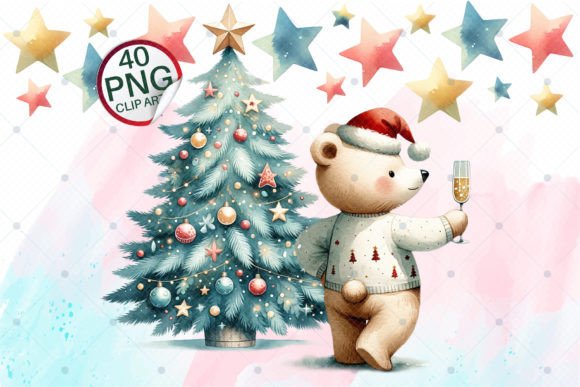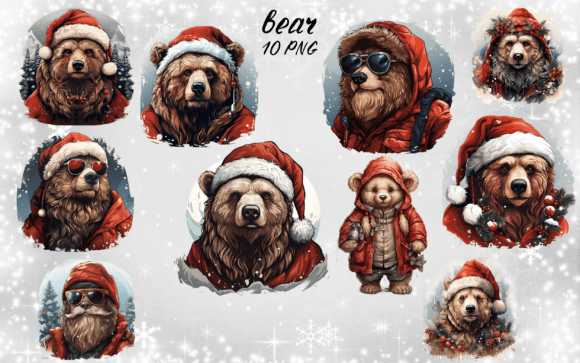
Bear Christmas Santa Hat Clipart Review
As a designer who has spent years turning digital files into tangible, stitched products, I approach every new asset with a mix of excitement and skepticism. You never know if a cute image will translate well to thread until you actually run it through the machine. Today, I am evaluating Bear Christmas Santa Hat Clipart, a design that promises holiday charm for your next project. Is this just another generic illustration, or does it have the structural integrity to stand out in a crowded market of handmade goods? After running some mental simulations on how this design would behave under a needle, here is my practical assessment for embroidery designers, small business owners, and crafters.
The First Impression: Mood and Visual Personality
The moment you look at Bear Christmas Santa Hat Clipart, it immediately evokes a sense of cozy nostalgia. It isn't trying to be edgy or modern; instead, it leans heavily into the traditional warmth of the winter holidays. The visual personality is soft, approachable, and undeniably festive. For an illustrator, the appeal lies in the simplicity of the concept—a bear wearing a Santa hat—but the success of the final product depends entirely on how those elements are rendered. Does the bear's expression feel authentic? Does the hat sit naturally on the head? In terms of mood, this design hits the sweet spot for family-oriented gifts and boutique branding. It suggests a finished product that feels personal rather than mass-produced, which is exactly what customers crave when they buy from Etsy sellers or local craft fairs.
Real-World Application: From Screen to Stitch
Let's imagine a real scenario. You are preparing for the holiday rush, and you want to create a custom embroidered tote bag for a client's corporate gift or a batch of personalized baby onesies for a holiday party. This is where Bear Christmas Santa Hat Clipart shines. The layout is likely compact enough to fit neatly on a tote bag pocket or centered on a baby garment without overwhelming the fabric. When I visualize this as a machine embroidery design, I see it working beautifully as a focal point on a sweatshirt or a kitchen towel. The theme is universally loved, making it a safe bet for commercial projects where you need broad appeal.
However, the transition from a digital file to a physical embroidery project requires careful consideration. If you are planning to use this for custom apparel, such as a cap or a patch, the shape of the bear and the hat must hold up against the curvature of the fabric. A flat design might lose its definition on a curved surface like a baseball cap unless the digitization accounts for proper expansion. Similarly, for baby embroidery, the design needs to be gentle on the eyes and not too dense, ensuring comfort against delicate skin. The versatility of this clipart makes it suitable for a wide range of items, including pillow covers, aprons, and holiday gifts, provided the underlying stitch structure supports the intended use.
Where Caution is Required
While the design is charming, there are specific scenarios where Bear Christmas Santa Hat Clipart might struggle if not handled correctly. Small hoop sizes are a common pitfall. If the original artwork contains intricate details—like tiny whiskers or complex shading on the hat—trying to condense these into a 4x4 inch hoop can result in a muddy, indistinct mess. On textured fabrics, such as heavy terry cloth or chunky knits, fine lines can get lost in the weave. Thin or stretchy fabrics present another challenge; without adequate stabilization, the tension required to stitch the bear could cause the fabric to pucker, ruining the professional look of the finished product.
Dense stitch areas are also something to watch. If the design relies heavily on fill stitches to create the bear's fur or the hat's texture, it may become stiff and uncomfortable, particularly on children's clothing. Furthermore, dark fabrics can be tricky. Unless the thread colors chosen offer high contrast, the design might disappear into the background. Layered garments, like a hoodie over a shirt, add another variable; the bulk of the embroidery can make the garment less wearable if the density isn't managed well. Before committing to a large production run, always test the design on scrap fabric to ensure it maintains its clarity and doesn't distort the material.
Impact on Brand and Customer Perception
In the world of craft business and Etsy selling, the quality of your embroidery speaks volumes about your brand consistency. A well-executed embroidered patch or tote bag design featuring Bear Christmas Santa Hat Clipart signals professionalism and attention to detail. Customers can tell the difference between a rushed job and one that was thoughtfully planned. When the stitching is crisp, the thread colors pop, and the design sits flush against the fabric, it builds customer trust. It elevates a simple item into a premium handmade product that justifies a higher price point.
Conversely, poor execution can damage buyer engagement. If the bear looks distorted or the hat appears lopsided due to incorrect stitch density, the perceived value of the item drops significantly. For commercial embroidery projects, this distinction is vital. Your reputation relies on delivering consistent quality. A clean, clear design ensures that your personalized gift or small shop product stands out in a competitive market. It also enhances the giftability of the item; people are more likely to purchase a gift that looks polished and intentional. When used effectively, this clipart becomes a recognizable asset that reinforces your brand's identity as a source of high-quality, festive creations.
Practical Designer Notes for Success
To ensure Bear Christmas Santa Hat Clipart delivers the best results, follow these essential steps before starting your embroidery file preparation. First, always test the design on scrap fabric that matches your final material. This allows you to gauge how the thread colors interact with the fabric texture and whether the hoop size accommodates the design without distortion. Check the stitch density carefully; if it feels too thick, consider simplifying the satin stitch or running stitch areas to improve drape and comfort.
Inspect small details closely. Are the edges of the hat sharp? Is the bear's face expressive? If you plan to use this for digital product previews or printable mockups, ensure the design renders clearly in both color and black and white to verify contrast. Use the proper stabilizer for your fabric type to prevent shifting and puckering. Most importantly, review the licensing terms thoroughly. Confirm whether the digital embroidery file allows for commercial use, especially if you intend to sell the finished items or include them in a bundle of design assets. Do not assume permissions; verify them to protect your small business merchandise from legal issues.
Finally, compare light and dark fabric backgrounds during your testing phase. Sometimes a color combination that looks perfect on a screen fails miserably on actual cloth. By taking these practical steps, you transform a simple clipart image into a reliable, high-value component of your creative workflow. Whether you are creating a unique holiday embroidery piece or expanding your apparel decorator inventory, Bear Christmas Santa Hat Clipart offers a solid foundation for success when approached with the right technical care.